Lululemon’s Rating
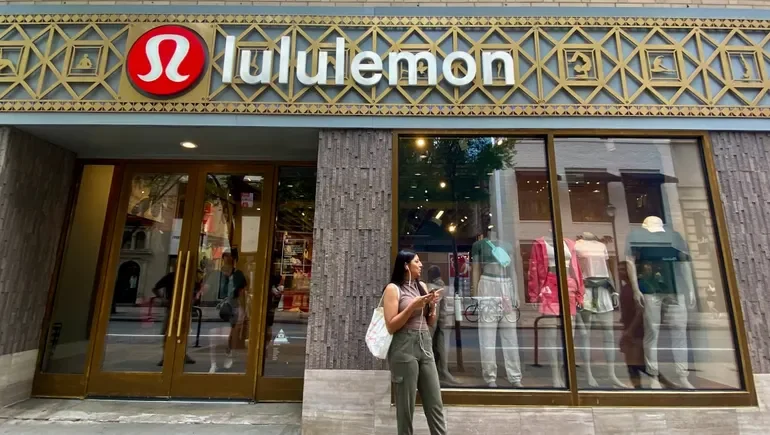
Lululemon
Category: Activewear
Sustainability: 🌱 3/5
Affordability: 💸 3/5
Adaptability: ♿️ 3.5/5
Affordability Assessment
💵 | Price Range: $100 - $200
Lululemon is priced at a premium compared to most other activewear brands. Its core leggings are around $100-$120, with other products being more or less expensive depending on the item.
📈 | Value for Money: OK
The brand’s pricing is an accurate reflection of the quality, with most customers reporting that their products are long-lasting and durable. However, there are alternatives sold on the market that have the same level of quality, meaning that a lot of the increased price comes from the name.
💡 | Affordability Tools
Although the core collection does not go on sale, the website frequently has discounts on other products. Additionally, there is a storewide discount for members of the military and first responders.
Adaptability Assessment
🦾 | Inclusivity
Lululemon is the outfitter for the Canadian Olympic Team, meaning that they work alongside people with disabilities in the Paralympics to design clothing that best suits them. The brand then implemented some of those features in their actual products, such as magnetic closures and extra zippers.
♿️ | Comfort
The brand prioritizes fit and comfort in all of its styles, using custom fabrics, such as Nulu, to make sure even tight-fitting clothing is comfortable.
Sustainability Assessment
🌍 | Environmental Impact
Lululemon has been attempting to fix their sustainability policies in recent years. They source over 75% of their polyester from recycled sources, though only 11% of their nylon is recycled. However, the brand has partnered with other Biotech companies to try and solve this issue. Lululemon also struggles with its carbon emissions, with its footprint continuing to rise as the company grows.
🤝 | Labor Conditions
Lululemon is very transparent with their suppliers, but that does not always guarantee workers’ rights.. However, the brand is committed to making sure that forced labor does not exist within its supply chain. It also makes sure that its factories pay the workers the minimum wage, but that does not correlate to a living wage, with some people being payed half of what would be considered the living wage.
🐾 | Animal Welfare:
The brand uses animal products, including down and wool. However, it also follows the Responsible Down/Wool Standards, meaning all of the fibers are sourced in a way that minimizes pain for the animals.